


How Students, Industry Partners and Universities Came Together to Solve Real-World Cyber Challenges
On the morning of 3rd June 2026, UWS London Campus carried a special kind of energy. Students arrived with laptops, ideas, nerves and determination. Volunteers moved between rooms, checking registrations, guiding teams, supporting guests and solving last-minute challenges. Judges, mentors, academic colleagues, partners and industry representatives came together with one shared purpose: to create a national cyber security experience that went far beyond the classroom.
CyberHack 2026 – National-Level Cyber Security Hackathon was successfully delivered at UWS London Campus as a collaborative initiative between UWS London Campus and the Institute of Cyber Security for Society (iCSS), University of Kent. The event was further strengthened through the valuable support of SOEBIT Cybersecurity Netherlands and other key supporting partners, including CSE Connect, KMCS3, KMCC, Cyber London and The Education Group London, whose contributions helped make the event a successful national-level platform for student innovation and cyber security engagement.
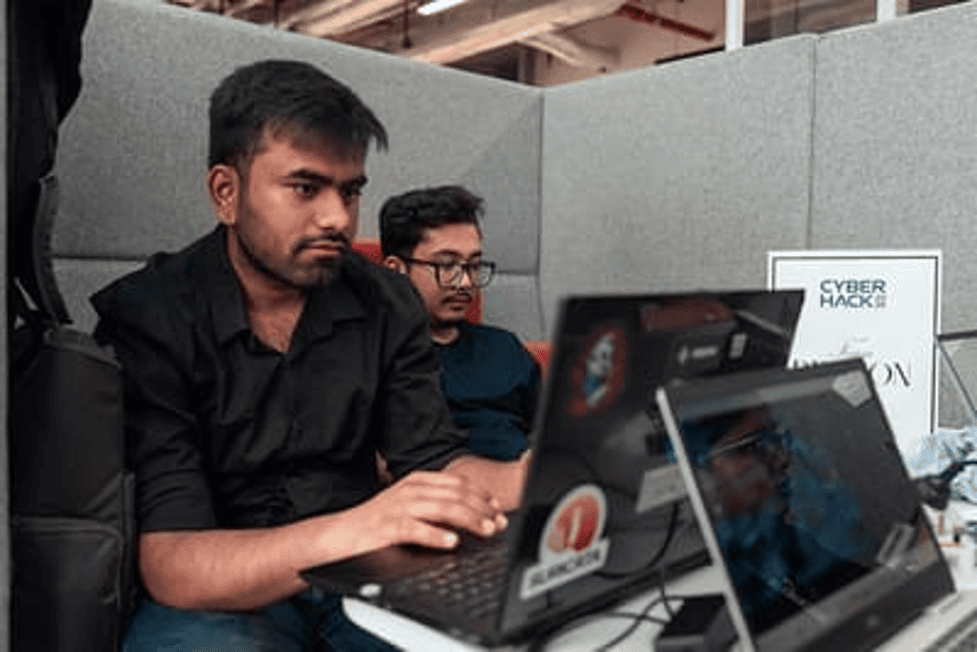
CyberHack 2026 brought together 88 student participants across 20 teams, representing 13 universities from across the UK.
Dr Mariana Dodourova, Dean of the Campus, warmly welcomed the gathering and officially declared the event open. In her address, she highlighted the importance of cyber security innovation, collaboration, and student engagement, setting a positive and inspiring tone for the CyberHack 2026 event.

From Registration To Real-World Cyber Problem Solving
CyberHack 2026 was designed to challenge students in a way that reflected real cyber security work. The challenge focused on how small and medium-sized organisations can respond to new vulnerabilities and CVEs. Teams had to interpret the problem, divide responsibilities, build a practical solution, prepare a short demonstration and communicate their decisions clearly to judges.
This was not only a competition. It was a live learning environment where students had to think quickly, test ideas, adjust their approach and keep moving forward under time pressure. Many teams combined cyber security knowledge with software development, automation, AI-supported workflows, data sources, reporting dashboards and risk prioritisation techniques.
That is where the real value of a hackathon lies. It gives students the chance to experience the pressure, creativity, collaboration and confidence-building that sit at the centre of modern cyber security careers.
Participating Universities And Teams
CyberHack 2026 welcomed teams from the following institutions:
- University of the West of Scotland
- University of Kent
- The University of Law
- University of Greenwich
- Royal Holloway, University of London
- University of Surrey
- Northumbria University
- University of East Anglia
- Teesside University
- University of Roehampton
- University of South Wales
- University of Plymouth
- City St George’s, University of London
The strong national participation showed the growing appetite among students for practical, industry-facing cyber security opportunities. For UWS London Campus, CyberHack 2026 reflected a wider commitment to creating learning experiences that strengthen employability, confidence, technical ability, leadership and professional networks.
The Judging Panel
The event was supported by a distinguished judging panel of cyber security experts who reviewed the technical solutions, interacted with teams during the day and assessed final demonstrations:

Their presence gave students the opportunity to receive meaningful industry-facing questions and feedback. The judging process highlighted that strong cyber security work is not only about building a technical solution, but also about explaining the value, limitations and real-world relevance of that solution.


Student Presentations And Final Demonstrations
After the development session, each team presented their solution to the judging panel, explaining their technical approach, key features and real-world cyber security impact.
The judges asked questions and shared feedback, giving students a valuable opportunity to demonstrate not only their technical skills, but also their confidence, teamwork and communication.


Celebrating The Winners
At the end of an intense day of innovation, the top-performing teams were announced:
| Award | Team |
| 🥇 Winner | Team Zer01nj3ct – The University of Law |
| 🥈 Runner-Up | Team KMCS3 – University of Kent |
| 🥉 3rd Position | Team SHADS – University of Kent |
| 🏅 4th Position | Team Bakhurshe_Salute – Northumbria University |
| 🏅 5th Position | Team G0P1 – University of South Wales and University of Plymouth |
Each of these teams demonstrated exceptional ability, creativity, resilience and teamwork. Their success reflected not only strong technical performance, but also the ability to respond to a complex problem in a limited time. The event featured a prize pool worth £10,000, which was shared among the winning and runner-up teams in recognition of their outstanding performance. Each of these teams demonstrated exceptional ability, creativity, resilience and teamwork. In addition, there were also exciting prizes and recognitions for teams securing the other top positions, acknowledging their excellent contribution, creativity and competitive spirit.


A Proud Moment Beyond The Event Day
CyberHack 2026 did not end when the winners were announced. After the event, Hackathon coordinators from UWS London Dr Muhsin Hassanu and Dr Manesh Thankappan personally visited the winning and runner-up teams at their campuses to present commemorative trophies in recognition of their significant achievements.
This follow-up recognition reflected the spirit of the event: celebrating student success, strengthening collaboration between institutions and recognising the hard work behind every result.


The Student Organising Team Behind The Success
Behind the smooth delivery of CyberHack 2026 was a dedicated student organising team. UWS London Cyber Club student leads and volunteers supported registration, logistics, coordination, media, operations, technical support, security, communication and on-the-day delivery.
Students from the University of Kent and KMCC also contributed to the wider organisation and event support. Their contribution showed the power of student leadership: CyberHack 2026 was successful not only because students competed, but because students also helped organise, coordinate and deliver the event.
A sincere thank you goes to every student volunteer and every member of the organising team who gave their time, energy and professionalism to make the event run smoothly.


Building on Cyber Hack 2K25
CyberHack 2026 built on the momentum created by UWS London’s earlier Cyber Hack 2025. The previous UWS London blog described Cyber Hack 2K25 as a hands-on experience that showed students what a cyber security career can feel like in practice.
Reference blog: Forget the textbook: this is how you hack your way to a better career
CyberHack 2026 took that idea further. It expanded the competition to a national level, welcomed universities from across the UK, brought in external partners and judges, and created a platform where students could demonstrate their capabilities to academics, professionals and industry contributors.
Looking ahead to CyberHack 2027
CyberHack 2026 was a milestone, but it is only the beginning. The success of this year’s event has created strong momentum for CyberHack 2027, which aims to be bigger, more competitive and even more connected to industry.
The ambition for next year is to create more opportunities for students, including stronger links to employers, job pathways, internships, industry mentoring and professional recognition for top-performing teams.
CyberHack 2027 will not just be about competing. It will be about helping students move closer to the cyber security careers they are working towards.
Voices from the Event
Tahir Siddique, Participating Team – Krypton, UWS London
CyberHack 2026 was more than a coding sprint, it was a chance to learn from fellow participants, exchange ideas with judges, and see how other teams approached real cyber challenges. Presenting CVE-to-My-Stack under pressure boosted our confidence that we can tackle messy, real-world security problems as a team. The networking, feedback, and shared energy were as valuable as the build itself. We left sharper, more connected, and ready for what comes next.
Leslie Leigh, Cyber Security Consultant – Judge Representative
CyberHack 2026 was a powerful reminder of how much talent is emerging across the UK. Watching students think under pressure, adapt when the rules changed and communicate their ideas with courage was inspiring. The teams who slowed down, read the problem carefully and showed their thinking demonstrated the qualities that make great future cyber professionals. It was a privilege to witness their potential.
Dr Mariana Dodourova, Dean of UWS London Campus
I was absolutely thrilled to host our recent cyber security hackathon on campus! Talented student teams from multiple universities tackled complex, high-pressure challenges with remarkable creativity and technical brilliance. The seamless collaboration and grit on display really stood out and were incredibly inspiring. A major highlight was the industry panel of judges, who brought invaluable real-world expertise and were thoroughly impressed by the high calibre of solutions presented. Witnessing these young innovators in action leaves me incredibly energised about what lies ahead!
Dr Sin Wee Lee, Head of Subject Area – CEPS & HLS
CyberHack 2026 was a significant achievement for UWS London Campus, bringing together 88 students from 13 universities to tackle a real-world cyber security challenge. I was particularly proud to see students demonstrate their technical skills, creativity, teamwork and confidence. The event reflects our commitment to practical, industry-focused learning. I thank our colleagues, partners, judges and student volunteers whose hard work made the event such a success
Dr Hewa Balisane, Senior Lecturer in Cyber Security, The University of Law Business School – Manchester Campus
CyberHack 2026 was an exceptionally well-organised and inspiring national event. It provided students with a valuable platform to apply technical knowledge, teamwork, creativity, communication and problem-solving skills under real pressure. As coach of the University of Law winning team, I was very proud to see how much the students gained from the experience.
Prof. Shujun Li, Co-coordinator of CyberHack 2026
We were very lucky to have decided to work with our UWS London collaborators to initialise the CyberHack 2026 event. We started a bit late and was wondering if we could attract enough UK universities to send teams. The end results were far beyond our expectation. We had more teams applying, but we didn’t have enough space for all to attend so had to accept only the first 20 teams. I was also very happy to see University of Kent student teams won the 2nd and the 3rd places at the event. None of us expected that they could have done so well, so a big congratulations to all the twelve students who gave up their time in the last teaching week to participate. We thank UWS London for inviting us to be a co-organiser of the event. We also would like to thank other supporters, without whose help and support the event would not have been so unforgettable!
Sincere thanks
As Coordinator of CyberHack 2026, I would like to express sincere thanks to the senior leadership of UWS London Campus, our academic and professional services colleagues, campus operations team, collaborating universities, industry partners, judges, mentors, sponsors, student volunteers, UWS London Cyber Club members, University of Kent, iCSS, CSE Connect, SOEBIT Cybersecurity, KMCS3, KMCC, Cyber London and The Education Group London.
A special note of thanks goes to our valued sponsors and supporters for their generous encouragement and contributions, which helped motivate the participating students and recognise their hard work, talent and achievements throughout the event.
I also extend my heartfelt thanks to Prof. Shujun Li from University of Kent, Co-Coordinator of CyberHack 2026, for his valuable guidance, insights and continuous support, which greatly contributed to the success of this memorable national-level event.
Most importantly, thank you to every student who participated. Your talent, enthusiasm and determination made the day truly special.
CyberHack 2026 proved one thing clearly: when intelligence meets security, student talent shines.

